Kinetic Gecko Cup Holder: A Practical Evaluation of Interactive 3D Desk Accessories
The modern workspace has evolved from a purely functional environment into a curated extension of personal identity. For enthusiasts of 3D printing and mechanical design, the Kinetic Gecko Cup Holder represents a fascinating intersection of utility, engineering, and playful aesthetics. Unlike standard coasters that merely protect surfaces, this interactive model introduces a dynamic element to the daily ritual of placing a beverage down. By leveraging simple physics rather than complex electronics, it offers a tangible demonstration of kinetic art within a practical object.
For adults evaluating desk accessories, the decision often involves balancing aesthetic appeal with functional reliability. The Kinetic Gecko Cup Holder stands out by addressing both, yet it is not without specific requirements and limitations. Understanding how this device operates, where it fits in the broader category of 3D printed tools, and when it might be the wrong choice for a specific setup is essential for making an informed decision.
Mechanics and Design Philosophy
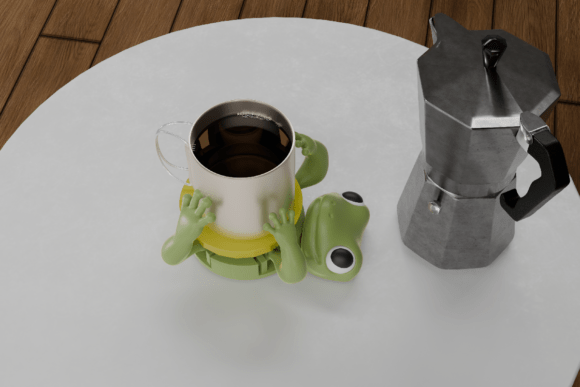
At its core, the Kinetic Gecko Cup Holder is a gravity-driven machine. The design relies on a straightforward principle: the weight of a mug or glass triggers a mechanical linkage that causes the gecko figure to raise its limbs. This action creates the illusion that the creature is enthusiastically lifting the drink. The absence of batteries, motors, or electronic components is a defining characteristic that sets it apart from many "smart" desk toys currently available.
This purely mechanical approach offers distinct advantages in terms of longevity and maintenance. Without electronic circuits to corrode or batteries to degrade, the mechanism remains functional as long as the physical plastic parts do not wear out. The design separates the pressure plate from the gecko mechanism, a smart architectural choice in 3D modeling. This separation ensures smoother movement and allows for easier assembly. When the user places a cup on the designated plate, the downward force compresses a spring or lever system, translating vertical motion into the lateral and vertical movement of the gecko's appendages.
From a manufacturing perspective, the model is optimized for multi-color printing. The ability to swap filament colors for the body, eyes, and base allows users to customize the final product significantly. This flexibility means the Kinetic Gecko Cup Holder can be adapted to match various color schemes, from subtle office neutrals to vibrant, eye-catching accents. However, this customization requires a printer capable of multi-material handling or the patience to change filaments mid-print, which adds time to the production process.
Comparing Kinetic Options Against Static Alternatives
When evaluating desk accessories, consumers typically choose between static protective items and active engagement tools. Traditional silicone or cork coasters offer superior heat resistance and surface protection but lack any interactive element. They are purely utilitarian. On the other end of the spectrum, electronic desk toys—such as motorized figures or light-up devices—provide interaction but introduce dependency on power sources and potential points of failure.
The Kinetic Gecko Cup Holder occupies a middle ground. It provides the engagement of a toy with the utility of a coaster. Compared to static options, it serves as a conversation starter, breaking the monotony of a standard workspace. For individuals who enjoy fidgeting or observing mechanical processes, the repetitive motion of the gecko can be soothing. However, compared to high-end electronic gadgets, the interaction is limited to the moment of placement and removal. Once the cup is set, the gecko returns to its resting position; there is no continuous animation.
In terms of material durability, 3D printed objects generally lag behind injection-molded plastics or natural materials like wood and stone. While PLA and PETG are durable enough for indoor use, they are susceptible to heat deformation if exposed to boiling liquids for extended periods. This is a critical tradeoff to consider against ceramic or metal coasters, which can withstand higher temperatures without warping. Users must weigh the novelty of the kinetic action against the potential need for an additional thermal barrier underneath the printed unit.
Evaluation of Printing Materials and Thermal Limits
The choice of filament plays a pivotal role in the performance of the Kinetic Gecko Cup Holder. Standard PLA is widely accessible and easy to print, offering excellent detail for the gecko's features. However, PLA has a relatively low glass transition temperature, typically around 60°C (140°F). Placing a freshly brewed coffee directly onto a PLA coaster could cause the bottom layer to soften or warp over time.
PETG is frequently recommended as a superior alternative for this specific application. It offers better heat resistance and greater flexibility, reducing the risk of brittle fractures during the mechanical movement. For users prioritizing function over fine detail, switching to PETG or even ASA (if outdoor use is considered) extends the lifespan of the device. It is important to note that while the mechanism is robust, the contact point with hot liquids remains the weakest link in the chain. Some users opt to place a small ceramic tile or cork pad on top of the gecko's platform to mitigate direct heat transfer, effectively combining the best of both worlds.
Decision Factors: When Is This the Right Choice?
Determining whether the Kinetic Gecko Cup Holder is the right addition to a workspace depends on several variables. It is an ideal fit for hobbyists who own a 3D printer and wish to utilize their machine for functional, artistic projects. The design encourages experimentation with colors and settings, serving as an educational tool for understanding kinematic chains and print orientation.
For the office environment, this item works well as a low-cost morale booster or a unique gift for colleagues who appreciate reptiles, engineering, or quirky desk decor. Its mechanical nature appeals to those who value tangible interactions over digital notifications. If the goal is to create a personalized touch in a home studio or creative space, the Kinetic Gecko Cup Holder delivers significant value through its visual appeal and interactive surprise.
However, there are scenarios where this product may not be the optimal solution. In high-traffic commercial settings, such as busy coffee shops or shared open-plan offices, the delicate mechanical parts may suffer from excessive wear or accidental damage. Furthermore, for users seeking maximum surface protection, a thick rubber or cork mat remains the superior choice. The Kinetic Gecko Cup Holder should be viewed primarily as a decorative accessory with secondary utility, rather than a heavy-duty industrial tool.
Assembly and Maintenance Considerations
The ease of assembly is another factor in the evaluation process. Because the main pressure plate and the gecko mechanism are printed as separate parts, the build process is relatively straightforward. Minimal supports are required if the parts are oriented correctly, saving on material waste and post-processing time. However, achieving smooth mechanical movement often requires careful calibration. Friction between moving parts can sometimes hinder the action, necessitating slight sanding or the application of a dry lubricant.
Users should anticipate a learning curve, especially if they are new to 3D printing. Ensuring that the tolerances are correct is vital; if the parts are too tight, the gecko will not move freely, and if they are too loose, the mechanism may feel unstable. This level of involvement makes the project rewarding for tinkerers but potentially frustrating for those seeking a plug-and-play solution. Pre-printed versions are available from some marketplaces, though these lack the customization benefits of a self-printed model.
Long-Term Value and Limitations
The long-term value of the Kinetic Gecko Cup Holder lies in its repairability and modularity. Unlike mass-produced toys that become e-waste when a single component fails, a 3D printed object can be reprinted indefinitely. If a leg breaks or a gear wears down, the user can simply print a replacement part. This sustainability aspect aligns well with the ethos of the maker community.
Nevertheless, the limitations regarding heat sensitivity and the potential for mechanical jamming cannot be ignored. Over time, repeated stress on the plastic joints may lead to fatigue. Regular inspection and occasional tightening or replacement of worn parts will be necessary to maintain functionality. Additionally, the aesthetic appeal is subjective; while many find the gecko charming, others may prefer minimalist designs that do not draw attention away from work tasks.
Ultimately, the Kinetic Gecko Cup Holder is a specialized tool that blends art and engineering. It excels in environments where creativity and mechanical curiosity are valued. For the discerning user willing to manage the nuances of 3D printing and thermal management, it offers a unique and engaging desk experience. For those requiring absolute durability or passive protection, traditional alternatives remain the safer bet. By understanding these distinctions, buyers and makers alike can determine if this kinetic creation truly fits their specific needs and preferences.