Evaluating the 3D Luxury Vase 011 Digital Model
In the evolving landscape of home décor, the intersection of digital design and physical craftsmanship has created new opportunities for customization. The 3D Luxury Vase 011 represents a specific entry in this market: a digital file designed for 3D printing rather than a pre-manufactured object. Understanding the nature of this product is essential for potential buyers, as it shifts the responsibility of creation from the seller to the user. This evaluation explores the practicalities, benefits, and limitations of acquiring the 3D Luxury Vase 011 STL file to help you determine if it aligns with your interior design goals and technical capabilities.
Understanding the Product Format
The 3D Luxury Vase 011 is not a physical item that arrives in a box. Instead, it is a digital asset delivered as an STL (Stereolithography) file. This format is the standard language for 3D printers, containing the geometric data required to build the object layer by layer. Upon purchase, the buyer receives an instant download link to access this file. There is no shipping, no packaging waste, and no risk of breakage during transit. However, this format implies that the final aesthetic quality, structural integrity, and material finish depend entirely on the user's equipment and expertise.
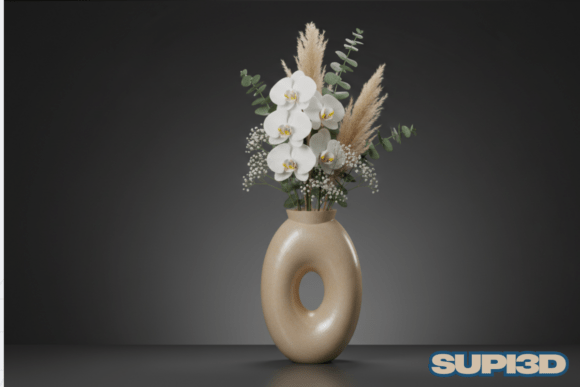
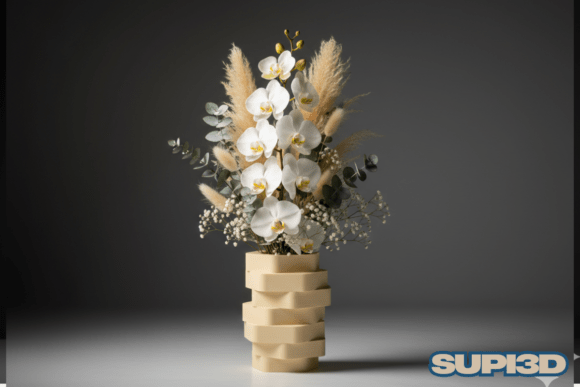
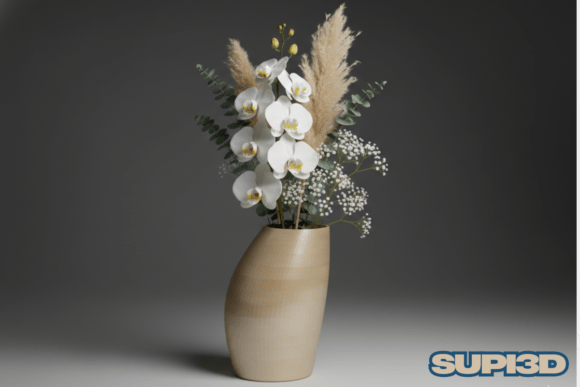
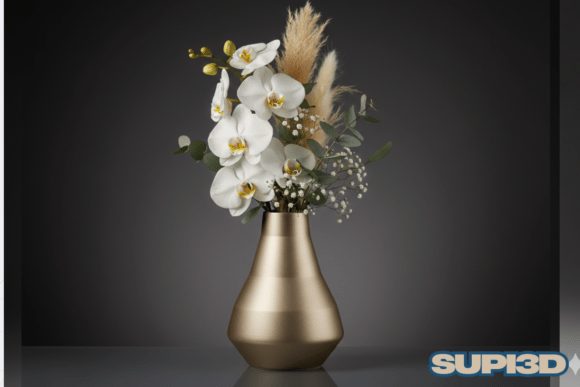
The design itself is characterized by sculptural forms and clean lines, intended to serve as a versatile decorative piece. It is engineered to complement both modern minimalist interiors and more classic settings. Because the model is fully scalable, the geometry can be resized without losing detail, allowing users to print the vase at a small scale for a subtle accent or at a larger scale to serve as a statement piece.
Reasons to Consider the 3D Luxury Vase 011
Several factors make the 3D Luxury Vase 011 an attractive option for specific types of consumers. The primary advantage is customization. Unlike mass-produced vases found in retail stores, which come in fixed sizes and colors, this digital model allows the owner to dictate the dimensions. If a specific shelf requires a vase that is exactly 45 centimeters tall, the file can be adjusted to fit perfectly.
Furthermore, the choice of material is left to the printer operator. Users can select PLA for a matte, eco-friendly finish, PETG for durability, or resin for a high-gloss, glass-like appearance. This flexibility extends to color; one can print the vase in a solid hue, use multi-color filaments, or even paint the finished object to match a specific room palette. For those interested in sustainable practices, 3D printing eliminates the carbon footprint associated with global shipping and reduces packaging waste.
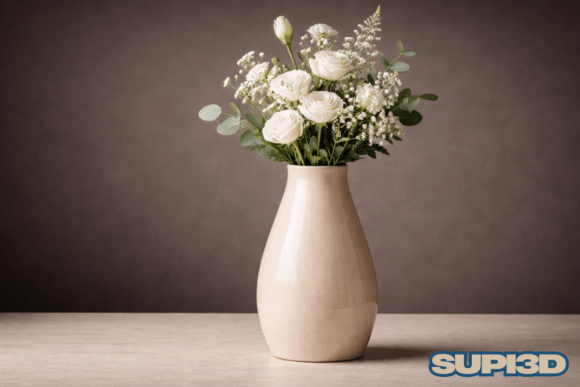
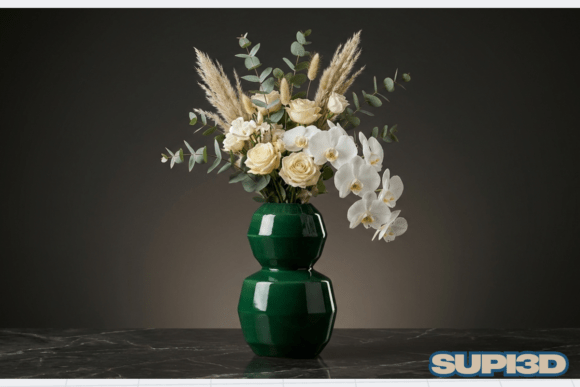
The design's versatility also supports various uses. While it functions beautifully as a standalone sculptural object, its form is optimized to hold dried flowers, artificial arrangements, or silk blooms. This makes it a practical solution for long-term décor where fresh floral maintenance is not desired.
Benefits, Tradeoffs, and Technical Considerations
While the ability to customize is a significant benefit, it comes with inherent tradeoffs. The most critical consideration is the requirement for 3D printing hardware and software. To realize the 3D Luxury Vase 011, the user must own a 3D printer or have access to a third-party printing service. If the latter is chosen, the cost of the physical print may exceed the price of buying a similar ready-made vase from a retailer, negating the initial savings of purchasing only a digital file.
Technical proficiency is another factor. Preparing an STL file for printing involves "slicing," a process where the 3D model is converted into instructions for the printer. Users must understand settings such as infill density, wall thickness, and support structures. A vase printed with insufficient wall thickness may crack under the weight of water or heavy stems. Conversely, a vase printed with too much infill will be unnecessarily dense and expensive to produce. The "clean, refined final result" mentioned in the design specifications is contingent upon the user's ability to calibrate their machine correctly.
Surface finish is another area where expectations must be managed. FDM (Fused Deposition Modeling) prints often show visible layer lines. Achieving a smooth, luxury look may require post-processing steps like sanding, priming, and painting. Resin printing offers smoother surfaces but involves handling toxic chemicals and requires UV curing stations. These additional steps add time and complexity to the project.
Ideal Use Cases and Scenarios
The 3D Luxury Vase 011 is a strong fit for individuals who already possess 3D printing equipment and are looking for high-quality models to utilize their machines. Hobbyists who enjoy the process of tuning print settings and experimenting with materials will find the scalability of this model particularly rewarding. It is also suitable for interior designers who need a custom-sized element to complete a specific layout and cannot find a matching commercial product.
This model is also appropriate for users seeking a durable, lightweight alternative to ceramic or glass. A well-printed plastic vase is less likely to shatter if knocked over, making it a safer option for households with children or pets, provided it is not used with real water and live plants that might rot the plastic over time.
When Alternatives May Be Preferable
Despite its advantages, the 3D Luxury Vase 011 may not be the right choice for everyone. If you do not own a 3D printer and do not wish to learn the technology, purchasing a physical vase from a home goods store is likely more efficient and cost-effective. The learning curve associated with 3D printing can be steep, and the time investment required to print a large vase—often taking many hours—may not justify the outcome for a casual user.
Additionally, if the goal is to display fresh flowers with water, 3D printed vases present challenges. Most common printing materials like PLA are not waterproof over the long term and can degrade when constantly submerged. While some filaments are water-resistant, they are rarely food-grade or completely impervious to bacterial growth inside the vase. In scenarios requiring a functional vessel for fresh cut flowers, traditional ceramic, glass, or metal alternatives remain superior choices.
Decision-Making Insights
To determine if the 3D Luxury Vase 011 aligns with your needs, consider the following criteria:
- Hardware Access: Do you have a reliable 3D printer, or are you willing to pay a service fee for printing?
- Skill Level: Are you comfortable adjusting slicer settings and performing post-processing to achieve a high-end finish?
- Customization Needs: Is there a specific size or color requirement that mass-market products cannot meet?
- Intended Use: Will this be a dry arrangement holder or a standalone sculpture? If it holds water, are you aware of the material limitations?
If the answer to these questions leans toward yes, the 3D Luxury Vase 011 offers a unique opportunity to create a bespoke piece of art. However, if you prioritize immediate gratification, ease of use, or functionality with fresh water, exploring traditional retail options may provide a better return on investment. Ultimately, this digital model is a tool for creators, offering flexibility at the cost of convenience and technical effort.