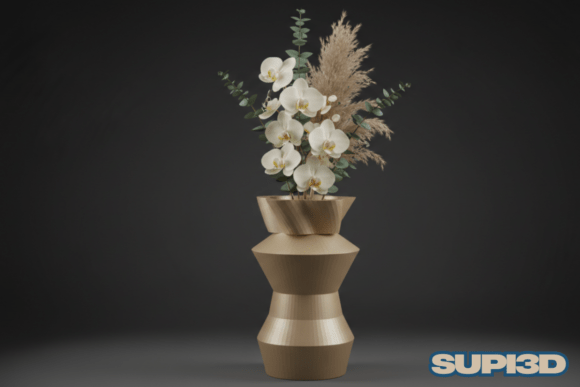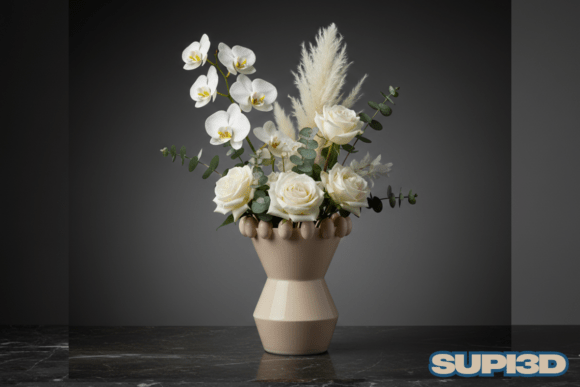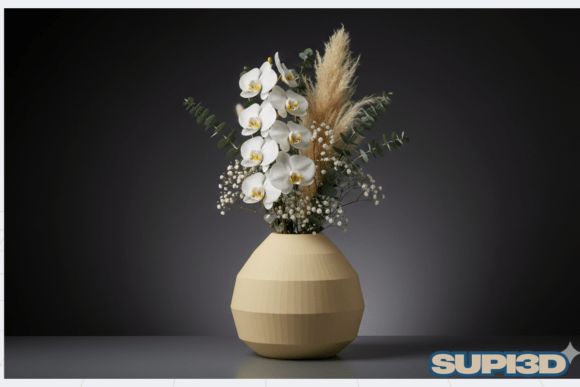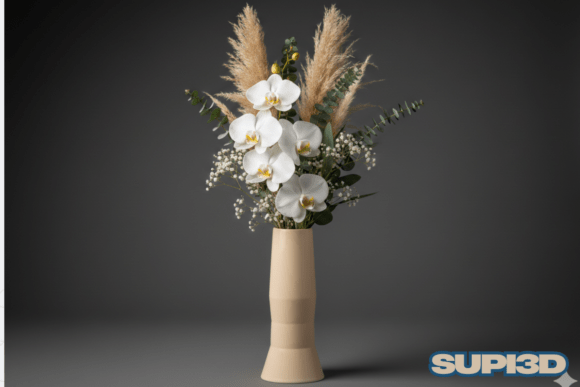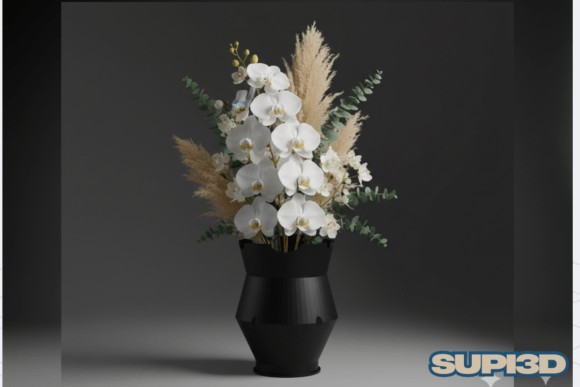
3D Luxury Vase 020: A Digital Blueprint for Timeless Home Décor
The intersection of digital design and physical craftsmanship has created a new paradigm in interior styling, where the boundaries between virtual creativity and tangible aesthetics are seamlessly bridged. At the forefront of this movement is the 3D Luxury Vase 020, a digital asset that represents more than just a file; it is a versatile tool for creators, homeowners, and designers seeking to infuse their spaces with sculptural elegance. Unlike traditional manufacturing methods that rely on mass production molds, this digital model offers an unprecedented level of adaptability, allowing users to define the scale, material, and context of the final piece.
In an era where personalized home décor is highly valued, the ability to customize a decorative object without compromising its structural integrity or aesthetic appeal is paramount. The 3D Luxury Vase 020 addresses this need by providing a high-fidelity STL file that captures clean lines and refined curves, ensuring that the transition from screen to print results in a sophisticated outcome. Whether utilized as a subtle accent in a minimalist living room or as a bold statement piece in a grand foyer, the design maintains its visual impact across various scales and environments.
The Philosophy of Scalable Sculptural Design
One of the most significant advantages of adopting digital fabrication for home accessories is the inherent scalability of the models. Traditional vases are often limited to specific sizes dictated by the manufacturer's mold constraints. In contrast, the 3D Luxury Vase 020 is fully scalable, a feature that empowers users to tailor the object precisely to their spatial requirements. This flexibility is not merely about making the vase larger or smaller; it is about maintaining the proportional harmony of the design regardless of the output dimensions.
For interior designers working on diverse projects, this capability is transformative. A single digital file can serve multiple purposes within a project. Imagine a scenario where a designer needs a small version of the vase for a narrow bathroom shelf and a monumental version for a central coffee table. With the 3D Luxury Vase 020, both variations can be generated from the same source file, ensuring a cohesive design language throughout the space. The clean lines and geometric precision of the model ensure that even when scaled up significantly, the surface details remain crisp and free from the distortion often seen in lower-quality digital assets.
This scalability also extends to the realm of prototyping. Professionals in product development can use the model to test different finishes and textures before committing to large-scale production runs. By printing a small-scale prototype, they can evaluate how light interacts with the sculptural form, how the weight distribution feels, and whether the aesthetic aligns with their brand identity. This iterative process reduces waste and allows for a more thoughtful approach to design implementation.
Materiality and the Tactile Experience
While the 3D Luxury Vase 020 begins as a digital STL file, its true character emerges through the choice of printing materials. The versatility of the design means it is not restricted to a single type of filament or resin. Users have the freedom to experiment with a wide array of materials, each offering a distinct tactile and visual experience that can dramatically alter the perception of the piece.
For those seeking a modern, industrial look, printing the vase in PLA or PETG with a matte finish can highlight the sharp edges and smooth surfaces of the design. Conversely, using silk PLA or glossy resins can create a reflective surface that mimics ceramic or glass, adding a touch of luxury to the room. For outdoor applications or areas prone to moisture, such as kitchens or patios, durable materials like ASA or nylon can be employed, ensuring the vase remains resilient against environmental factors while retaining its elegant form.
The choice of material also influences the functional aspect of the vase. If the intention is to hold water for fresh flowers, the user must consider the porosity of the printed material and may opt for a waterproofing sealant or a food-grade resin. However, the design is equally compelling when used as a standalone decorative object or for holding dried arrangements. In these cases, the focus shifts entirely to the aesthetic qualities of the material. A vase printed in wood-filled filament, for example, can blend seamlessly into rustic or organic interiors, while a metallic-infused print can complement contemporary, high-tech environments.
This level of control over materiality is a key benefit of digital products. It allows the end-user to become a co-creator, making decisions that align with their specific taste and functional needs. The 3D Luxury Vase 020 serves as the canvas, but the user provides the color, texture, and finish, resulting in a truly unique piece of art that reflects their personal style.
Integrating Digital Artifacts into Interior Spaces
The integration of 3D printed objects into home décor requires a nuanced understanding of how these items interact with existing furniture and architectural elements. The 3D Luxury Vase 020 is designed with a neutral yet distinctive profile that allows it to adapt to both modern and classic interiors. Its sculptural form acts as a visual anchor, drawing the eye without overwhelming the surrounding environment.
In modern settings characterized by open floor plans and minimalistic furniture, the vase can serve as a focal point. Placed on a sleek console table or a floating shelf, its clean lines echo the simplicity of the room while adding a layer of complexity through its three-dimensional geometry. When paired with artificial arrangements or dried botanicals, the vase introduces organic shapes that soften the rigid lines of the architecture, creating a balanced composition.
Conversely, in classic interiors filled with ornate details and rich textures, the vase offers a refreshing counterpoint. Its timeless silhouette prevents it from appearing out of place, while its modern execution adds a contemporary twist to traditional decor. This adaptability makes it an ideal choice for transitional spaces where old and new styles converge. The key to successful integration lies in the placement and the accompanying elements. A well-lit corner, a contrasting backdrop, or a carefully curated arrangement of flowers can elevate the vase from a simple accessory to a centerpiece.
Educators and researchers studying the evolution of domestic spaces might find the rise of customizable 3D printed décor fascinating. It represents a shift away from passive consumption toward active participation in the creation of one's living environment. The 3D Luxury Vase 020 exemplifies this trend, offering a bridge between the digital age and the enduring human desire for beauty and order in our homes.
Workflow Considerations for Creators and Hobbyists
For hobbyists and professional makers alike, the workflow involved in bringing the 3D Luxury Vase 020 to life is straightforward yet rewarding. The process begins with the instant download of the STL file, which eliminates the wait times associated with shipping physical goods. This immediate access allows users to start the creative process right away, whether they are preparing for a specific event or simply exploring new design possibilities.
Slicing the model for printing requires attention to detail to ensure the best possible result. Given the sculptural nature of the design, users should consider the orientation of the model on the build plate. Printing the vase upright may require support structures, which can leave marks on the surface if not removed carefully. Alternatively, printing the vase upside down or at an angle might reduce the need for supports, resulting in a smoother exterior finish. Experimentation with different slicing parameters, such as layer height and infill density, can further optimize the strength and appearance of the final print.
Post-processing is another critical step in the workflow. Depending on the chosen material and printer technology, the vase may require sanding, priming, or painting to achieve the desired look. For resin prints, curing and washing are essential steps to ensure safety and durability. These post-processing tasks offer additional opportunities for customization, allowing users to apply unique color schemes or textures that enhance the overall aesthetic of the piece.
Business owners looking to expand their product lines can also leverage the 3D Luxury Vase 020 as a core component of their inventory. By offering the vase in various colors and finishes, they can cater to a broad audience of consumers seeking unique home décor items. The low overhead costs associated with digital files and on-demand printing make this a viable business model for small enterprises and startups.
Understanding the Digital Product Paradigm
It is crucial to recognize that the 3D Luxury Vase 020 is a digital product, meaning no physical item will be shipped upon purchase. This distinction is fundamental to understanding the value proposition of such assets. The buyer receives a license to use the STL file, granting them the freedom to print the design as many times as they wish, subject to the terms of the license agreement. This model democratizes access to high-quality design, allowing individuals who own 3D printers to produce custom goods without relying on external manufacturers.
The inclusion of only the STL file in the package emphasizes the importance of user agency. The responsibility for selecting printing settings, choosing materials, and executing the print lies with the user. While this may seem daunting to beginners, it opens up a world of possibilities for those willing to learn. Online communities, tutorials, and forums provide ample resources for mastering the art of 3D printing, making the barrier to entry lower than ever before.
Furthermore, the digital nature of the product ensures longevity. Physical objects can wear out, break, or go out of style, but a digital file remains intact indefinitely. Users can revisit the 3D Luxury Vase 020 years later, re-printing it with new technologies or materials as they become available. This sustainability aspect is increasingly important in today's environmentally conscious market, reducing waste and promoting a circular economy.
Conclusion on Versatility and Future Potential
The 3D Luxury Vase 020 stands as a testament to the power of digital design in enhancing our living spaces. Its combination of elegant form, clean lines, and full scalability makes it an invaluable asset for anyone looking to add a touch of sophistication to their home. Whether used as a functional vessel for flowers or as a standalone sculpture, the design adapts effortlessly to different styles and contexts.
As 3D printing technology continues to advance, the potential for such digital assets will only grow. The ability to customize, scale, and personalize home décor items empowers users to take control of their environment, fostering a deeper connection between the individual and their surroundings. For professionals, hobbyists, and businesses alike, the 3D Luxury Vase 020 offers a practical and inspiring solution to the challenge of creating beautiful, unique, and meaningful objects in the modern world.